
 By admin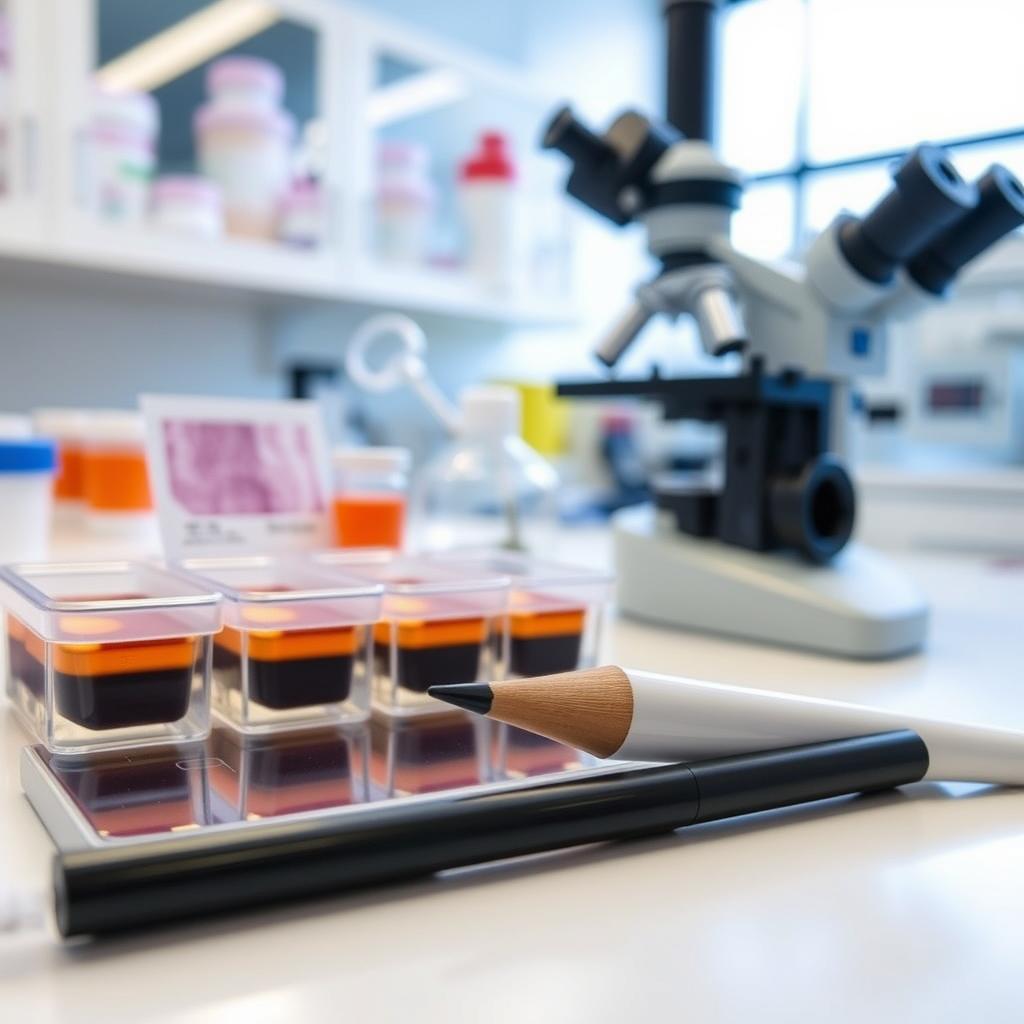
In the meticulous world of histology, precision is key, and every tool plays a crucial role. Among these essential tools, the Hematoxylin and Eosin (H&E) pencil stands out as a versatile aid in laboratory marking. But what exactly is it, and how does it enhance the histological workflow?
At its core, an H&E pencil, often designed with solvent resistant or moisture proof properties, is primarily used for labeling and marking on microscope slides. This ensures that vital information, such as specimen identification, remains intact throughout staining and analysis processes.
Why is this important? Precision in H&E staining a technique that highlights cell nuclei in blue (with hematoxylin) and cytoplasmic structures in pink (with eosin) relies on excellent slide preparation and labeling. Tools like H&E pencils not only safeguard data from smudges or solvent spills but also boost efficiency in handling large sample batches.
What Is a Hematoxylin and Eosin Pencil?
Ever wondered how histologists and pathologists achieve such detailed and precise slide labeling while working with the intricate world of tissue samples? Enter the Hematoxylin and Eosin Pencil a specialized tool designed to complement the widely used Hematoxylin and Eosin (H&E) staining technique.
Definition and Composition
A Hematoxylin and Eosin Pencil is a writing implement adapted for marking histology slides with ease and accuracy. Unlike traditional pencils, this tool is tailored for laboratory conditions, ensuring clear, durable marks that withstand exposure to chemicals, solvents, and the rigorous staining process. Most commonly, they come in a diamond tipped, wax based, or solvent soluble format to match varied workflow needs. Whether hydrophobic or water resistant, these pencils ensure that labels do not fade, run, or affect specimen integrity during analysis.
Why Combine Hematoxylin and Eosin?
But what makes the pairing of Hematoxylin and Eosin so essential? Each plays a unique role in unlocking the architecture of tissue samples:
- Hematoxylin: This stains cell nuclei a vivid blue or purple, making them stand out clearly under a microscope.
- Eosin: Acting as a counterstain, it imparts a pink hue to cytoplasmic and extracellular components, allowing for detailed visualization of cellular structure.
When marking is involved, these pencils align with the H&E process, offering a stable means to document and reference slide specific data.
Appearance and Physical Characteristics
Hematoxylin and Eosin Pencils vary in appearance and functionality depending on the application. Common features include:
- A smooth, ergonomic grip for precise control.
- Core materials ranging from diamond tipped leads for ultra fine marking to waxy or greasy textures for hydrophobic barriers.
- Bright, distinctive barrel colors for easy tool identification in a busy lab setting.
The versatility of these pencils makes them indispensable in histology labs, aligning perfectly with the gold standard precision of H&E staining.
Common Uses in Histology and Pathology Labs
In the fast paced environment of histology and pathology labs, precision is not just ideal it’s essential. That’s where tools like the Hematoxylin and Eosin (H&E) pencil come into play. These specialized marking instruments are indispensable for various tasks, ensuring clear identification, orientation, and preservation of tissue samples throughout the diagnostic and research processes. Let’s explore how these versatile pencils are commonly used.
Labeling Slides and Cassettes
Accurate labeling of slides and cassettes is one of the most critical steps in histological workflows. With an H&E pencil, you can achieve durable, legible markings that withstand the rigors of staining and processing. Unlike ordinary markers, these pencils maintain clarity even when exposed to alcohols, xylene, or paraffin. Proper labeling minimizes mix ups and ensures seamless tracking of samples, which is especially vital in clinical diagnostics.
Marking Specimens for Orientation
Have you ever wondered how histologists maintain the correct orientation of a tissue sample? Orientation is key to accurate morphological analysis. The H&E pencil aids in marking critical areas on specimens, such as margins or regions of interest, providing a clear reference during sectioning. These fine markings are visible but unobtrusive, allowing pathologists to focus on diagnostic details without interference.
Use in Cryostat and Paraffin Sections
Whether dealing with frozen sections in a cryostat or paraffin embedded tissue, the H&E pencil proves invaluable. During cryostat work, it allows technicians to mark positioning details directly on frozen tissues without damaging their integrity. For paraffin sections, the pencil ensures staff can easily note down key identifiers without the worry of bleeding ink or smudges, as might happen with traditional markers. Its versatility bridges the gap between precision and practicality.
From labeling to orientation, the Hematoxylin and Eosin pencil is a quiet hero in histology labs, ensuring every slide tells its story without hindrance. How’s that for an essential lab tool?
Why H&E Pencils Are Preferred in Labs
Have you ever wondered what makes a Hematoxylin and Eosin (H&E) pencil a go to tool in histology labs? It’s more than just a simple marking instrument these specialized pencils are meticulously designed to meet the rigorous demands of laboratory environments. From their unique water and chemical resistant properties to their unmatched precision, H&E pencils offer an indispensable solution for maintaining clarity and consistency during diagnostic and research workflows.
Water and Chemical Resistant Marking
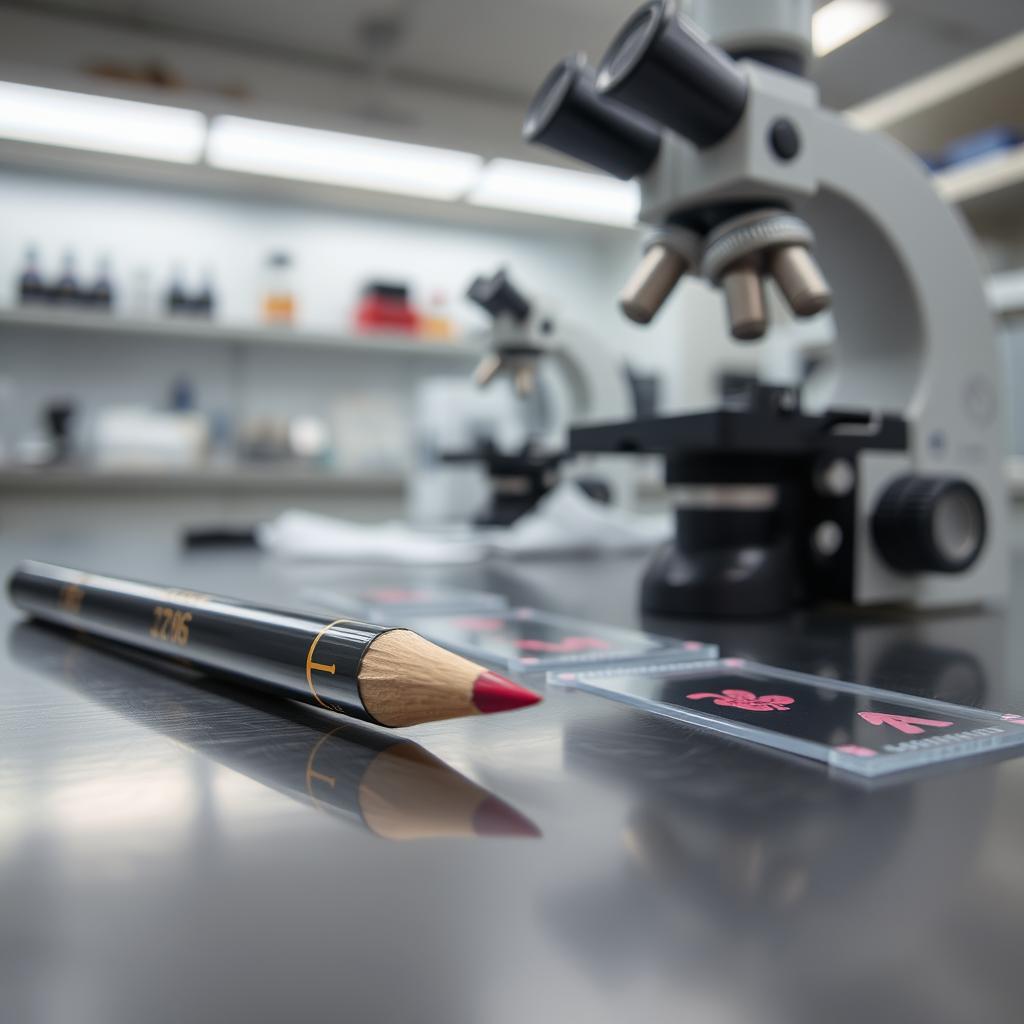
One of the most impressive features of an H&E pencil is its exceptional durability. When working with tissue slides, exposure to water, solvents, and staining chemicals is inevitable. Ordinary markers or pens often smudge, fade, or dissolve under such conditions, which can compromise specimen labels and lead to errors. In contrast, H&E pencils are specifically engineered to withstand the harsh chemicals used in staining processes. This ensures that crucial markings remain legible throughout the procedure, safeguarding both the integrity of the samples and the accuracy of results.
Unmatched Precision
Precision matters in histology, where even the tiniest mistake can disrupt a diagnosis. H&E pencils provide unparalleled control, allowing pathologists and technicians to make fine, detailed markings. Whether labeling a tiny slide corner or making a precise note for reference, these pencils deliver consistency without bleed or blur, making them ideal for the task.
Seamless Compatibility with Staining Processes
Not all marking tools can endure the multi step staining processes involved in H&E staining, which include exposure to Hematoxylin and Eosin dyes. H&E pencils, however, integrate seamlessly into these workflows. Their chemical resistant composition ensures that neither the blue stained nuclei (from Hematoxylin) nor the pink hued cytoplasmic regions (from Eosin) interfere with or obscure the markings, allowing for error free identification.
In summary, the specialized design of H&E pencils ensures reliability at every turn. Their water and chemical resistant features, precise marking capabilities, and compatibility with staining procedures make them an essential tool in any histology lab.
How to Properly Use an H&E Pencil
Using a Hematoxylin and Eosin (H&E) pencil may seem straightforward, but proper techniques and care can make a significant difference in your lab workflow. Whether you’re marking microscope slides or plastic cassettes, mastering the use of this essential tool ensures specimen integrity and long lasting markings. Ready to refine your lab practices? Let’s dive into the best tips!
Best Practices for Handling
To get the most out of your H&E pencil, it’s important to handle it with precision and care. Always ensure the pencil tip is sharp enough for fine markings but not so sharp that it risks tearing the surface. Hold the pencil like you would when sketching firmly but without excessive pressure. Overlapping layers of pigment can help your markings stand out clearly without smudging.
Surfaces It Can Be Used On
The H&E pencil is designed for a range of surfaces commonly used in histology labs. Here’s where it works best:
- Microscope Slides: Ideal for writing case numbers or identifiers directly on the slide’s frosted end. Ensure the surface is clean and dry before applying.
- Plastic Cassettes: Perfect for marking essential information before embedding tissue samples. The marks generally resist solvents during processing.
- Paraffin Blocks: Some labs also utilize the pencil to make quick annotations directly on the wax surface for temporary labeling.
Tips for Storage and Longevity
Storing your H&E pencil properly can greatly extend its lifespan and ensure consistent performance:
- Keep the pencil in a dry area, away from moisture that could degrade its integrity.
- Store it in a case or organizer to prevent accidental damage to the tip.
- Avoid exposing the pencil to extreme temperatures, as this may affect the quality of its markings over time.
By following these simple tips, you’ll not only protect your equipment but also improve the accuracy and reliability of your lab labeling. After all, in histology, every detail matters including the labels!
Alternatives and Limitations of H&E Pencils
While hematoxylin and eosin pencils are a staple in histology labs, they’re not the only marking tools at your disposal. In fact, depending on your workflow and specimen handling needs, you might find other options more suitable. Let’s explore a few common alternatives and highlight the limitations of H&E pencils to help you make the best choice for your lab.
Alternative Lab Marking Tools
- Sharpies and Permanent Markers: Widely available and quick drying, these are great for labeling slide edges or containers. However, they lack the solvent resistant properties needed for direct slide markings.
- Diamond Marking Pencils: Renowned for their precision, these are particularly useful for marking glass without smudging. Perfect for long term storage, but they can come at a higher price point.
- Hydrophobic Barrier Pens: Ideal for creating liquid resistant barriers during staining procedures. Though versatile, they are less suitable for fine text marking.
Limitations of H&E Pencils
Despite their utility, H&E pencils aren’t without flaws. Over time, markings from certain pencils may fade, especially when exposed to solvents during repeated stain washes. Additionally, some high quality options can be costly, making them less accessible for labs with tight budgets. Does this mean they’re not worth it? Not at all! The unique solvent soluble features of many H&E pencils still make them a must have for specific pathology workflows.
The Role of Hematoxylin and Eosin Pencils in Lab Workflows
In the detailed and delicate world of histology, every tool you use matters right down to the pencil in your hand. The Hematoxylin and Eosin pencil might seem unassuming, but its role is essential in ensuring seamless lab workflows. These specialized marking tools are designed to endure the rigors of histological processes, including exposure to solvents and stains, while maintaining legibility on slides.
How do they fit into your workflow? Consider these key benefits:
- Resilient markings: These pencils resist smudging, even when exposed to alcohol and xylene during staining protocols.
- Precision labeling: Perfect for writing on glass slides or embedding cassettes without damaging the surface.
- Specimen integrity: Clear and durable labeling minimizes the risk of mix ups, streamlining diagnostics and research.
When choosing a marking tool for your lab, ask yourself: Does it withstand staining procedures, align with eco friendly practices, and fit into your budget? By selecting the right tool whether it’s a solvent soluble pencil or a digital labeling system you’ll find a balance between efficiency, precision, and sustainability.